PPWR applies from 12 August 2026: what changes now, and what changes in 2030
The EU packaging regulation applies from 12 August 2026. For cosmetic brands the first effect is administrative rather than physical. Nothing on the shelf has to change on that date, but the paperwork behind each packaging type does. The design consequences arrive later, and those are the ones worth planning for now.
What PPWR is
Regulation (EU) 2025/40, generally known as PPWR, replaces the Packaging Directive 94/62/EC from 1994 and applies directly in all EU countries without national transposition.
The full text is available in all EU languages, including German. Worth downloading and working from directly rather than from summaries: Regulation (EU) 2025/40 on EUR-Lex
The documentation comes first
Packaging is now treated as a regulated product. Each packaging format placed on the EU market needs a conformity assessment, an EU Declaration of Conformity, and technical documentation to support it.
The duty follows the name on the pack. For most cosmetic brands that means the brand carries it, even when a supplier owns the mold and runs the molding. In practice this turns into a data request down the supply chain: material information per component, not a general letter of assurance.
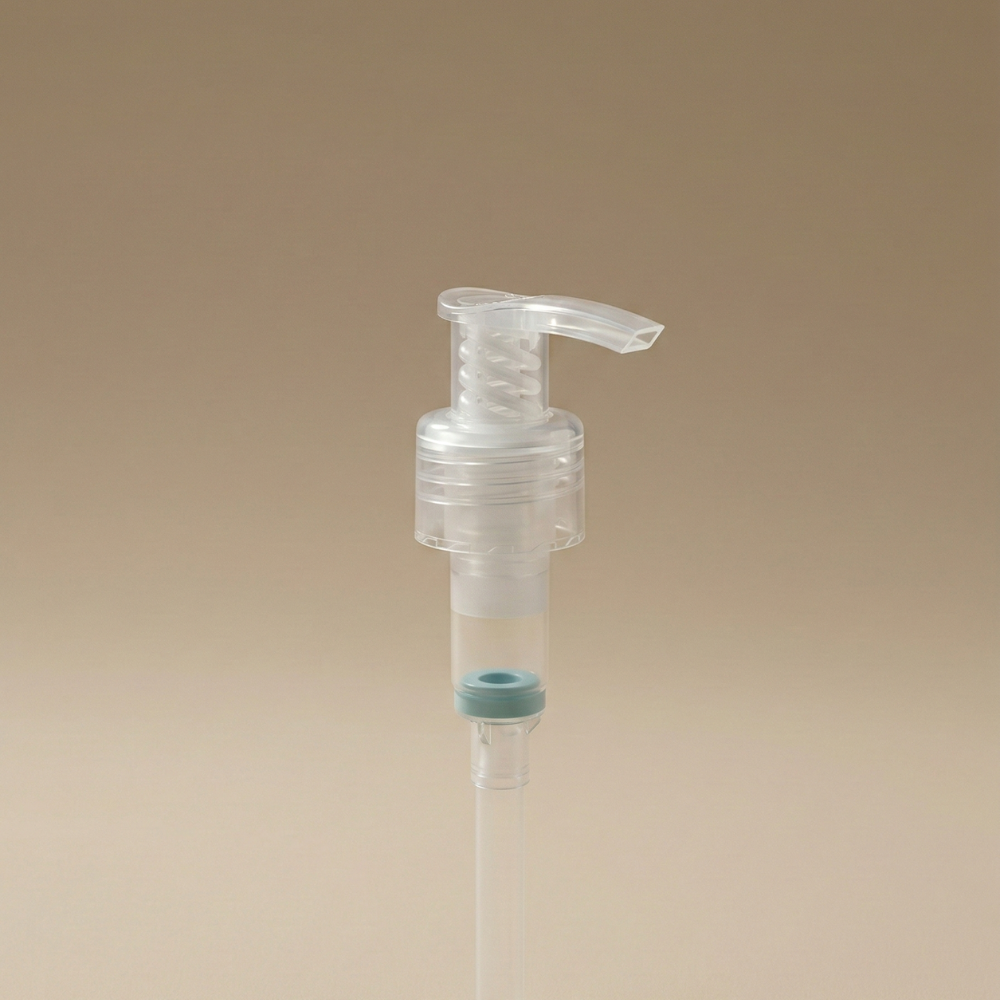
This is where packaging files often turn out thinner than expected. A pump is not one item. It is a housing, a stem, a spring, a gasket and an actuator, and each of those has a material.
What this article is not
Corpack is not a regulatory consultancy, and this article is not legal advice. Which role your company holds, which duties follow from it, and which exemptions apply all depend on how your business is set up. Use this as orientation and confirm the detail in the regulation itself or with your own legal advisor.
2030 is the date that touches design
The regulation aims for all packaging on the EU market to be recyclable in an economically viable way by 2030. Each pack is graded on the share of its weight that is recyclable in practice, and the lowest passing level currently sits at 70%.
The detailed method for measuring this is still being written. So the deadline is fixed while the ruler is not. That is uncomfortable for anyone cutting tooling now, and it is also the reason to work on the part of the problem that stays stable regardless.
Construction, not material choice
Take a standard pump jar: body in one plastic, cap in a second, a metal spring in the pump, a gasket in a third material. Four materials in one unit. Whatever the final calculation method turns out to be, every component that does not match the main material lowers the recyclable share.
Reducing the number of materials in a unit is the lever that works under any version of the method. It is also the slowest change to make, because it usually means new tooling rather than a new supplier.
Mono-material across the cosmetic segments
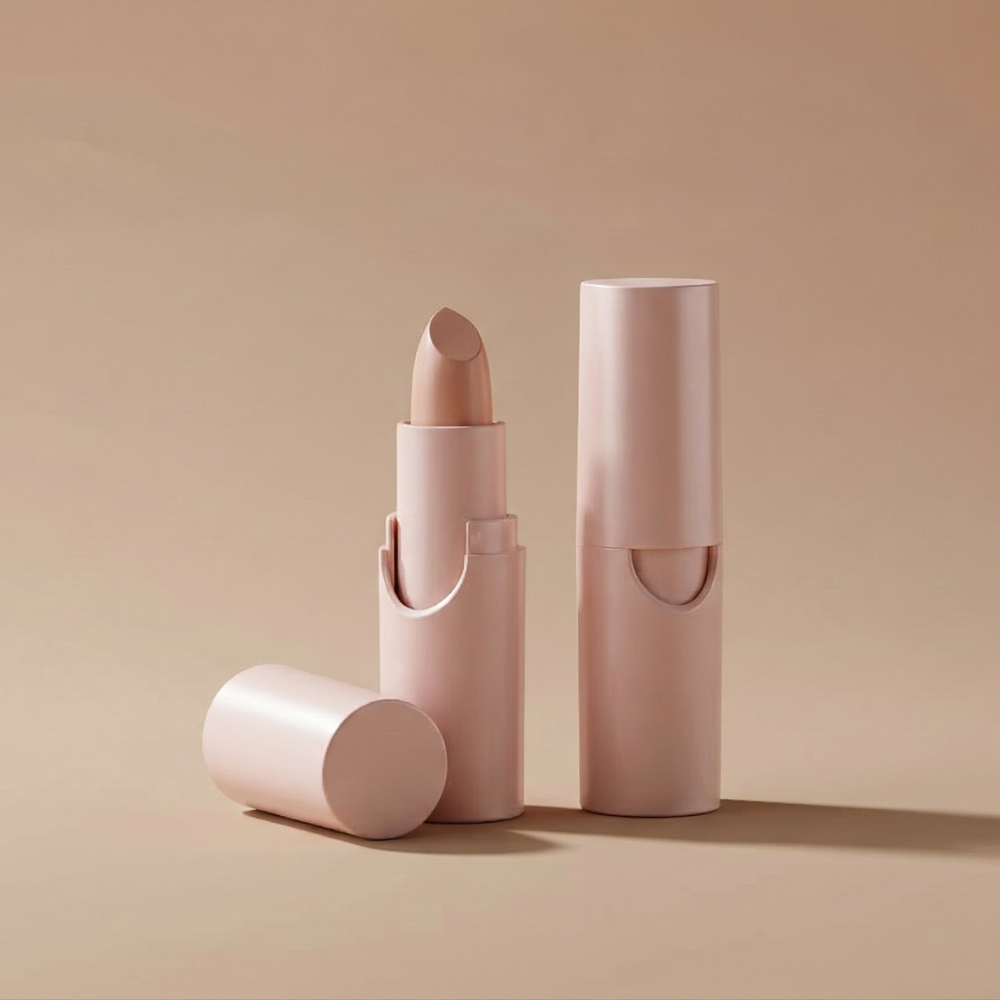
Mono-material construction is our answer to that arithmetic. We develop and tool single-polymer versions across color cosmetics, skincare and dispensing: jars, bottles, tottles, airless dispensers, sticks and compacts.
Where an exception exists, we name it. The optional mirror in a PP compact is not PP, and describing that compact as mono-material without the qualifier would be inaccurate.
Are you planning changes to your range? Contact us, we are happy to help you prepare for the new regulation.

.jpg)